
Don’t Ignore These 3 Signs Your Pipes Are at Risk of Freezing
Protect your home from costly damage by recognizing these three key signs that indicate your pipes may freeze.
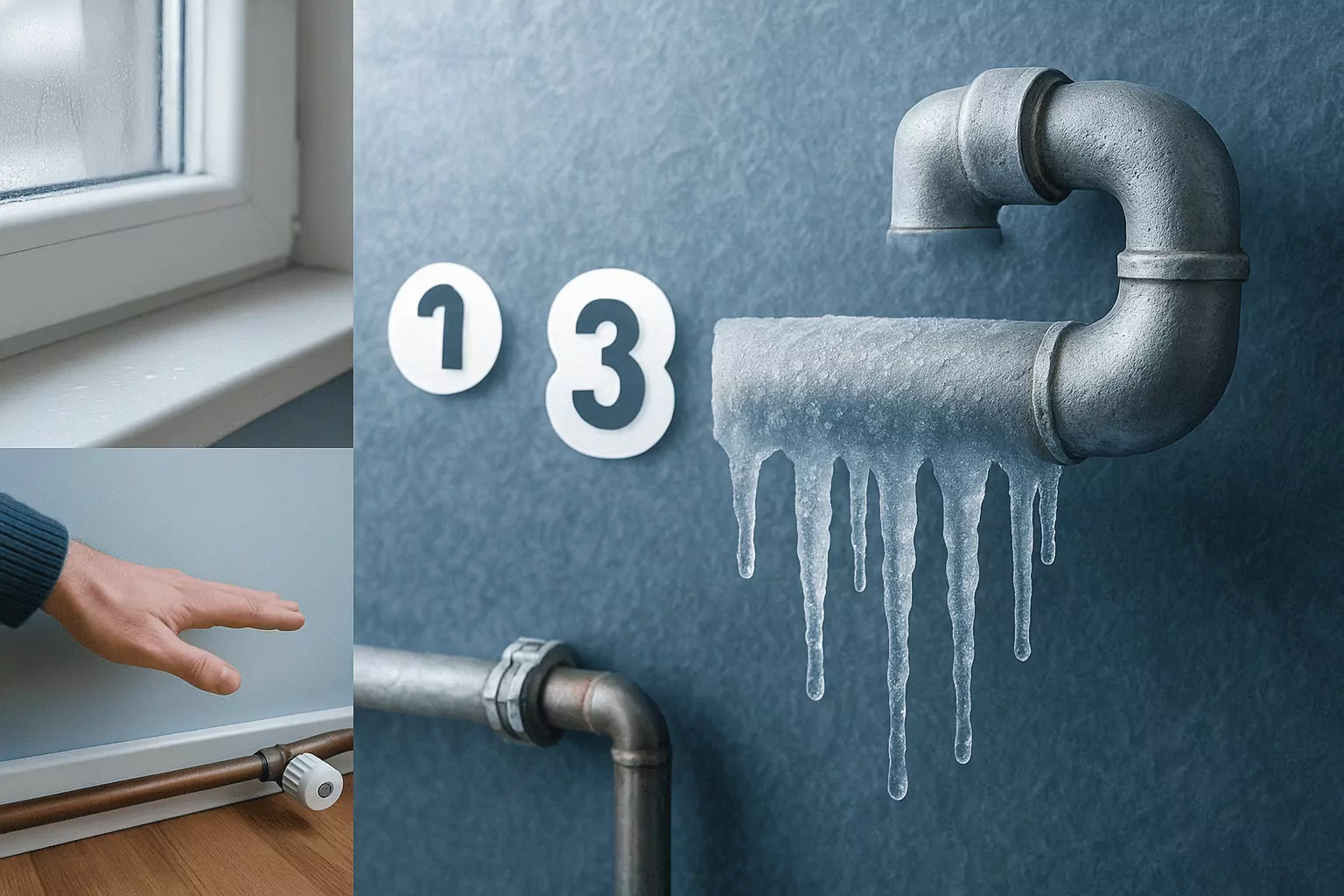
Winter weather can sneak up on your plumbing, and recognizing the 3 Signs Your Pipes Are at Risk of Freezing can save you from a costly water disaster. Homeowners often notice subtle red flags long before a pipe bursts, but they may not realize what those clues mean. By learning how to spot early indicators, you can take fast action and avoid frozen pipes, leaks, and severe water damage. This guide explains the top warning signs, why they happen, and what to do next. If you want a quick refresher, bookmark 3 Signs Your Pipes Are at Risk of Freezing and share it with your household. With a few proactive steps, you can protect your plumbing, your property, and your peace of mind.
1. Slow water flow or no flow at faucets: 3 Signs Your Pipes Are at Risk of Freezing
If your faucet suddenly trickles or stops altogether during a cold snap, it is a strong indication that ice is forming inside the supply line. Reduced flow often starts at fixtures located on exterior walls or above unheated spaces like garages and crawlspaces. The ice constricts the pipe, which increases pressure upstream and can lead to a rupture if left unchecked. Test multiple fixtures to see if the issue is isolated or widespread, and take special note of exterior hose bibs and kitchen sinks on outside walls. As a quick mitigation step, leave affected faucets slightly open to relieve pressure while you investigate further.
Consider the example of a homeowner who noticed a weak stream at a second-floor bathroom sink during a prolonged cold spell. After opening the cabinet doors and feeling a noticeable chill, they used a safe space heater in the room and directed warm air near the pipe chase, restoring normal flow within an hour. They then insulated the supply lines and sealed a drafty vent to prevent a repeat. If you encounter persistent low flow, shut off water to the affected branch and call for help to avoid a burst; you can request emergency support via our plumbing services page. For fixtures that repeatedly freeze, upgrading insulation and adding heat tape are smart long-term solutions.
2. Frost or condensation on exposed supply lines: 3 Signs Your Pipes Are at Risk of Freezing
Seeing frost, ice crystals, or heavy condensation on visible pipes is a visual cue that the pipe surface is at or below freezing. This is particularly common on pipes in unconditioned spaces like basements, crawlspaces, and behind poorly sealed rim joists. Moisture on the pipe does not always mean ice is inside, but it signals conditions that can lead to freezing very quickly. Use a flashlight to inspect near exterior penetrations, sill plates, and foundation vents when the temperature drops. If you find frosted lines, act immediately to warm the area and improve insulation before a blockage forms.
A local case study illustrates the risk: a homeowner spotted a faint frost line on a copper pipe near a basement window during a wind chill event. Within hours, water slowed to a trickle upstairs, confirming the pipe had partially frozen. The homeowner sealed the draft, wrapped the pipe with foam insulation, and used a hair dryer on low to gently warm the cold section while keeping a faucet open. For best practices on insulation and air sealing, consult authoritative guidance from Energy.gov, and explore more seasonal tips on our winter plumbing blog. After mitigating the immediate risk, schedule a professional assessment to insulate vulnerable runs and add pipe supports to reduce vibration and moisture accumulation.
3. Unusual odors, rattling, or cold spots behind walls: 3 Signs Your Pipes Are at Risk of Freezing
Strange sewer-like odors from a sink or tub during extreme cold can indicate ice is affecting a trap or vent, restricting normal airflow. Likewise, rattling or banging sounds, sometimes described as water hammer, may occur when water flow is abruptly altered by ice formation. If you feel a pronounced cold stripe or draft along a wall or cabinet that contains plumbing, the pipe behind it may be nearing the freezing point. These clues often appear before visible damage, giving you a critical window to act. Because these are subtle, document when and where they occur and compare with outdoor temperatures to spot patterns.
Imagine returning home to a bathroom that smells off and a vanity base that feels icy to the touch during a polar blast. Opening the cabinet doors, directing warm air into the cavity, and letting the faucet drip can reduce freezing risk while you monitor flow. If noises persist or you suspect a bulging section behind the wall, shut off the fixture supply or the main valve to eliminate pressure and call a professional immediately. Our team can walk you through safe steps and schedule service via the contact page to prevent a pipe burst. Early recognition of these cues, paired with swift mitigation, is the difference between a minor adjustment and major water damage.
Call Rosewood Plumbing if You Need Help in Raleigh, NC or Goldsboro
Recognizing slow or no water flow, visible frost on pipes, and unusual odors or cold spots gives you a crucial head start against frozen pipes. By acting on these 3 Signs Your Pipes Are at Risk of Freezing, you can prevent costly repairs and reduce the chance of a catastrophic burst. Seal drafts, insulate exposed lines, maintain steady heat, and let at-risk faucets drip during severe cold. If you need expert help, call Rosewood Plumbing today!
Frequently Asked Questions
What temperature do household pipes start to freeze?
Pipes can begin freezing when surrounding air nears 20 F for several hours, though risk increases anytime temperatures are below 32 F in poorly insulated areas. Factors like wind, drafts, and pipe material all influence how quickly ice forms. Pipes in exterior walls, crawlspaces, and unheated garages are most vulnerable, especially if insulation is thin or gaps allow cold air to circulate. Keeping indoor heat consistent and cabinet doors open around sinks on exterior walls helps. For broader winter safety context, see the American Red Cross guidance on frozen pipes to understand conditions and preventive steps.
How do I safely thaw a frozen pipe without bursting it?
Start by opening the affected faucet to relieve pressure and allow melting ice to flow out. Apply gentle, indirect heat to the suspected frozen section using a hair dryer on low, a heating pad, or a space heater placed safely away from combustibles. Warm the pipe gradually, starting from the faucet end and working back toward the ice blockage so steam and water have a path to escape. Never use a torch or open flame, which can damage pipes and start a fire. If you cannot locate the frozen section or hear unusual sounds behind walls, shut off the main valve and call for help via our plumbing services before a rupture occurs.
Should I shut off water when traveling during a cold snap?
Yes, shutting off the main water supply is a smart precaution if you will be away during extreme cold, especially in older or drafty homes. After closing the valve, open a few faucets to relieve pressure and drain standing water from lines. Keep the thermostat set to at least 55 F and ask a trusted neighbor to check in during prolonged cold periods. Consider installing smart leak detectors and a monitored thermostat for alerts if temperatures drop unexpectedly. For help locating your main shutoff or winterizing before a trip, contact us through the contact page and we can guide you step by step.