
A Comprehensive Drain Maintenance Checklist to Prevent Clogs and Damage
Keep your drains flowing smoothly with this essential checklist designed for homeowners to prevent costly clogs and repairs.
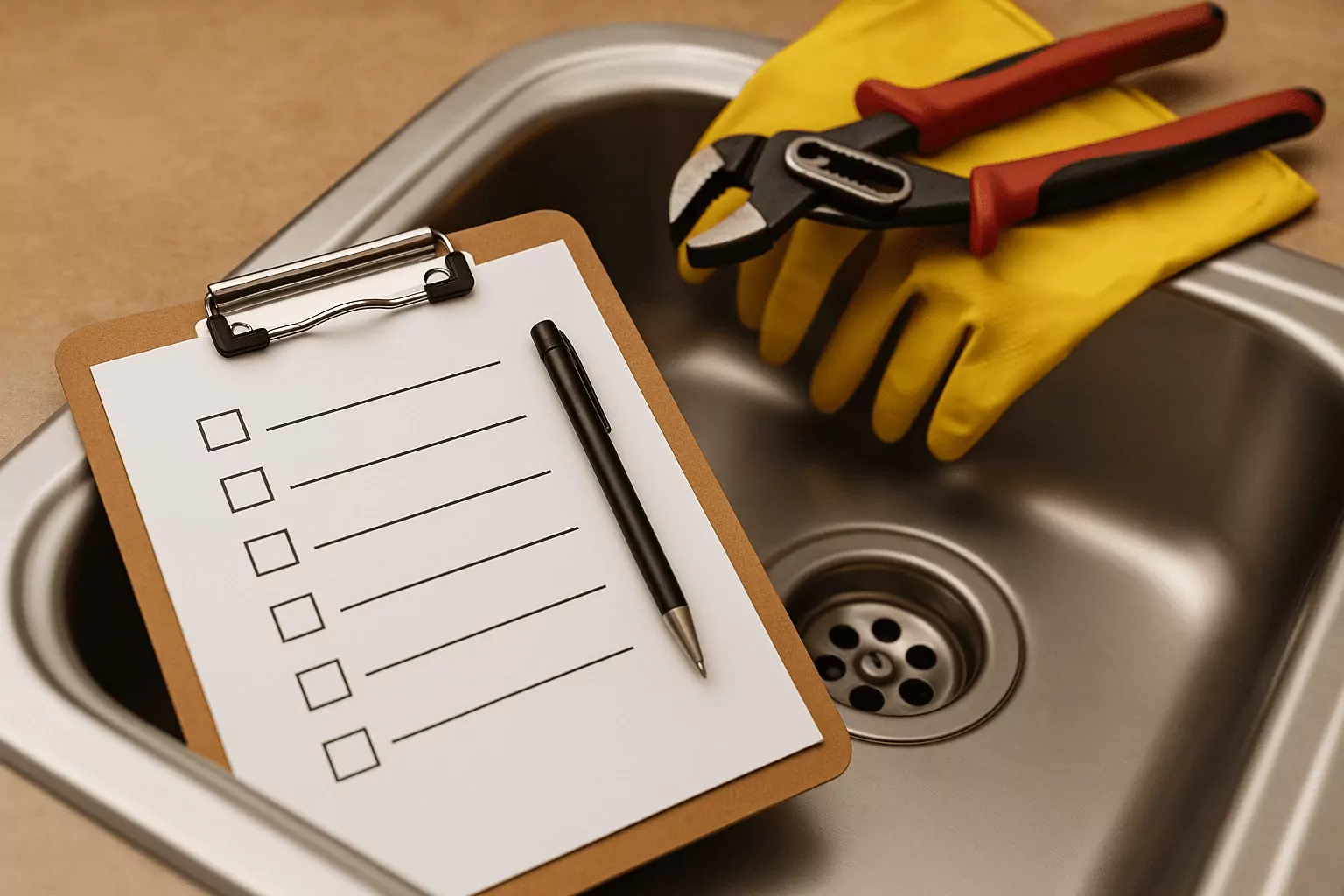
A reliable drainage system does not stay healthy by accident, and a practical drain maintenance checklist helps you keep everything flowing. In the first 100 words, it is vital to introduce this focus, so consider bookmarking this drain maintenance checklist for quick reference throughout the year. Homeowners and property managers who follow routine steps avoid slow drains, foul odors, backups, and costly emergency calls. With a simple plan, you can reduce buildup from fats, oils, and grease while catching small issues before they become major repairs. This guide offers daily, weekly, monthly, and seasonal actions grounded in real-world examples. Use it to build habits, train tenants or staff, and extend the life of every sink, shower, and sewer line on your property.
Daily and Weekly Tasks for Your Drain Maintenance Checklist
Your daily habits have the biggest impact on drain performance, making them the foundation of any drain maintenance checklist. After cooking, wipe pans with paper towels before washing to keep fats, oils, and grease out of your pipes. Run hot water for 30 to 60 seconds after washing dishes to help move light residues through the P-trap and main line. In bathrooms, clear hair from shower and tub strainers to prevent slow drains and soap scum accumulation. A quick sniff test near sinks and floor drains can also reveal early odor issues that signal bacterial growth or venting problems.
Consider a quick weekly routine to reinforce these daily habits and maintain optimal flow. Remove and clean stoppers, strainers, and aerators to dislodge trapped debris before it hardens. If you use a garbage disposal, flush with cold water while grinding, then finish with hot water and a small amount of dish soap. For evidence-based guidance on handling fats, oils, and grease, review the EPA's FOG recommendations at this resource. These small actions, repeated consistently, reduce buildup that eventually leads to clogs, gurgling drains, and surprise overflows.
Monthly and Seasonal Inspections That Protect Your Drains
Monthly walk-throughs help you find minor problems while they are still easy and inexpensive to fix. Open cabinet doors and check under sinks for moisture, corrosion, or mineral crust along slip-joints. Fill each sink halfway and let it drain while you watch and listen for slow flow, bubbles, or gurgling that might indicate partial blockages or venting issues. Test seldom-used floor drains and laundry drains by pouring in a quart of water to refill the trap and prevent sewer gas odors. If you manage a multi-unit property, document these checks in a shared log to track recurring issues and schedule proactive service.
Seasonally, step outside and look at your drainage ecosystem as a whole. Clear gutters and downspouts so roof water flows away from the foundation and does not overload basement floor drains or sump pumps. Inspect cleanouts for accessibility and check that backwater valves move freely and latch correctly. If you live in a tree-lined neighborhood, ask a pro about root intrusion prevention and whether your property would benefit from a camera inspection every 1-2 years. For specialized projects or recurring slow lines, explore our drain cleaning services and technical options like hydro jetting covered in this hydro jetting guide.
What to Avoid: Habits That Sabotage Your Drain Maintenance Checklist
Even the best routine can be undone by a few common mistakes, so add clear do-not rules to your drain maintenance checklist. Do not pour grease, cooking oil, or fat trimmings down the sink, even with hot water or detergent, because they congeal and trap other debris. Skip the disposal for stringy foods, coffee grounds, eggshells, and fibrous peels that bind with soap scum and hair. Avoid flushing wipes, cotton swabs, dental floss, or hygiene products labeled flushable, since they do not break down like toilet paper. Never mix chemical drain openers or use them in older pipes, as the heat and reaction can damage plumbing and endanger your health.
These guidelines come from real field cases where small missteps created expensive repairs. For instance, a small cafe that frequently poured fryer oil into a mop sink required quarterly emergency jetting until staff training eliminated FOG at the source. A homeowner with recurring clogs solved the issue by installing hair catchers and switching to enzyme maintenance treatments. If you need authoritative standards, see the Uniform Plumbing Code overview from IAPMO at this page to understand broader compliance considerations. The combination of good habits and code-informed decisions keeps drains running smoothly and avoids warranty or insurance complications.
Professional Support, Advanced Cleaning, and When to Call a Plumber
Some symptoms signal that DIY steps are no longer enough and it is time to call a professional. Watch for recurring slow drains, multiple fixtures backing up at once, sewage smells from floor drains, or water stains around cleanouts. A camera inspection can pinpoint bellies, offsets, and root intrusion in the sewer line that routine cleaning will not resolve. For heavy buildup, hydro jetting scours pipe walls more thoroughly than snaking and can restore full diameter in cast iron and PVC. To schedule expert help or a maintenance plan, contact our team for a tailored service schedule.
Smart property managers build a calendar that mixes light monthly care with annual professional inspections. This approach reduces emergency calls, extends pipe life, and helps confirm compliance with local plumbing codes and backflow requirements. For businesses, a written schedule also trains staff to follow best practices around food prep and mop sinks. Homeowners benefit from documented maintenance when selling, showing the drainage system has been responsibly managed. If you are building a budget, ask for a bundled plan that includes camera inspections, enzyme treatments, and discounted jetting to keep your checklist cost-effective.
With a simple drain maintenance checklist and consistent habits, you can avoid most clogs, odors, and surprise emergencies. Combine daily prevention, monthly inspections, and seasonal checks with periodic professional cleaning for the best results.
Frequently Asked Questions
How often should I follow a drain maintenance checklist?
Follow daily and weekly tasks consistently, then perform a monthly inspection of all sinks, tubs, showers, and floor drains. Seasonally, address outdoor drainage, gutters, and downspouts to prevent water from overwhelming your interior plumbing. Annually, schedule a professional cleaning or camera inspection if you have mature trees, older pipes, or prior blockages. Commercial kitchens usually need quarterly professional service due to FOG loads and health code standards. The goal is to catch buildup early, so increase frequency if you notice slow drains, odors, or gurgling sounds.
Are enzyme-based drain cleaners safe for routine use?
Enzyme and bacterial maintenance products are generally safe for PVC, copper, and cast iron when used as directed. They work by digesting organic matter like oils, soap scum, and food particles without generating heat or harsh reactions. For septic systems, many plumbers prefer enzyme-based maintenance over chemical openers to protect tank biology. Always avoid mixing products, and do not use enzymes as an emergency fix for complete blockages. Think of them as part of a preventative program that complements strainer use, hot water flushing, and periodic professional cleaning.
What are the signs I need professional drain cleaning?
Multiple slow fixtures at once usually indicate a main line problem that requires specialized tools. Other red flags include frequent clogs in the same location, sewer odors, and water backing up in tubs or floor drains when a toilet is flushed. If plunging provides only temporary relief, the root issue may be scale, roots, or a misaligned pipe. A camera inspection reveals hidden defects and helps choose between snaking, descaling, or hydro jetting. Calling early often reduces costs and prevents water damage to cabinets, floors, and finished spaces.
Can tree roots damage my sewer line and how do I prevent it?
Yes, roots seek moisture and nutrients, and they exploit tiny cracks or joints in clay and older pipe materials. Early signs include gurgling, recurring blockages, or lush green patches over the sewer path in your yard. Prevention may include root barriers during landscaping, regular camera checks, and proactive cleaning before peak growth seasons. If roots are confirmed, mechanical cutting followed by jetting and periodic maintenance can keep lines open. In severe cases, trenchless repair or pipe bursting replaces compromised sections to restore long-term reliability.