
Water Tank Installation Raleigh NC: Costs, Codes & Tips
Straight answers on costs, permits, and pros for Raleigh homeowners planning water tank installation and pressure tank upgrades.
Choosing the Right Tank for Raleigh Homes
Raleigh Water Storage Tanks: Types and Use Cases
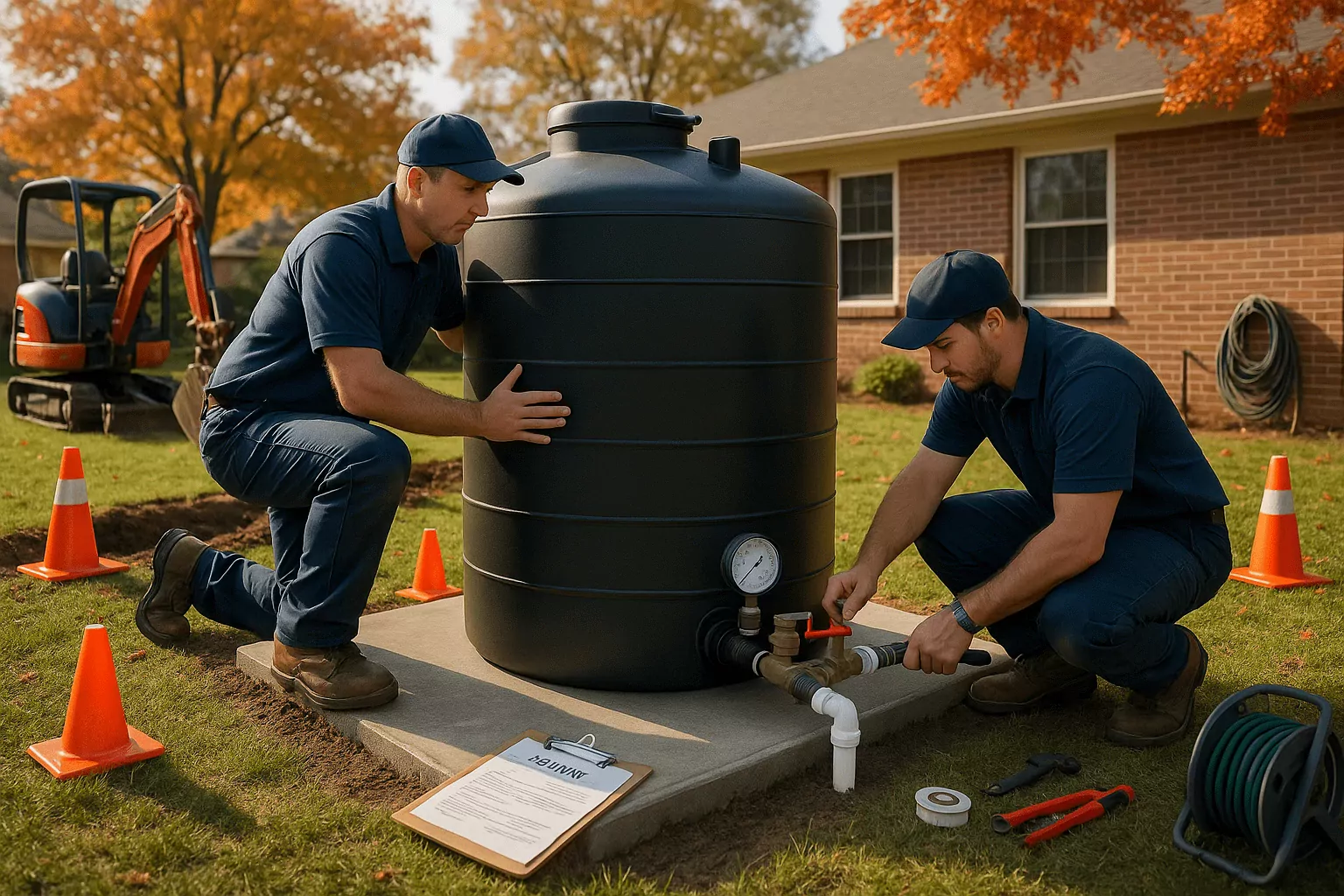
Before scheduling water tank installation Raleigh NC, decide which tank type aligns with your water source, pressure needs, and yard layout. Above-ground poly tanks are affordable, easy to service, and ideal for patios and side yards with good access. Steel and fiberglass tanks offer higher capacities and durability, suiting households with irrigation or multi-bath demand. Underground cisterns protect water from temperature swings and free up space but require excavation and a solid plan for access. Many Raleigh water storage tanks support fire reserve, irrigation, and whole-house backup when paired with the right pump and controls.
If you plan landscaping or future additions, choose tank footprints that won't conflict with driveways, fences, or decks. For sustainability goals, rainwater harvesting Raleigh NC pairs well with irrigation controllers and first-flush diverters. Well owners often match tanks to pump cycling needs and expected drawdown for consistent pressure. When evaluating Raleigh water storage tanks, confirm compatibility with potable water standards and backflow protection. Your installer should map out service clearances so valves, gauges, and strainers remain accessible over the life of the system.
Sizing and Placement for Water Tank Installation Raleigh NC
Right-sizing ensures you store enough water without overspending on capacity you won't use. A common baseline is 50-75 gallons per person for emergency coverage, plus irrigation and fixture demands for everyday use. Families adding irrigation or a pool often benefit from 1,000-2,500 gallons to reduce pump cycling and stabilize pressure. Placement for water tank installation Raleigh NC should minimize long pipe runs, avoid tree roots, and provide truck and equipment access. If you intend to add rainwater harvesting Raleigh NC later, reserve roof-to-tank downspout paths now to avoid remodel conflicts.
Setbacks, utilities, and slope determine where tanks can safely sit or be buried. Avoid septic fields and mark gas, power, and telecom lines before excavation or anchoring pads. Elevated stands can improve gravity feed for garden spigots but must be engineered for live loads and wind. In tight urban lots, modular or slimline tanks can hug walls without blocking egress or meter access. Your layout should also include freeze protection, drainage, and safe overflow routing that won't undermine foundations or flood neighbors.
Materials, Warranty, and Water Quality Protection
Material choice affects lifespan, taste, and maintenance intervals. Food-grade poly is cost-effective and resists corrosion, while fiberglass handles chemicals and hot climates better. Lined steel provides strength and large capacities, but verify liner certification for potable use. For underground builds, select tanks rated for burial depth and soil loads, including traffic-rated lids if vehicles will pass nearby. Insist on manufacturer warranties and clear service terms from water tank installers Raleigh NC to protect your investment.
Water quality safeguards start at the roof or wellhead and continue to the tap. Include screened inlets, sediment traps, and first-flush devices to keep debris out of rain-fed systems. Use NSF-certified components, non-toxic sealants, and opaque tanks to reduce algae growth. For well systems, pair the tank with pressure switches, a relief valve, and a gauge to monitor performance. Scheduled water pressure tank service Raleigh keeps bacteria, scale, and rust at bay while preserving smooth pump cycling and quiet operation.
Permits, Codes, and Site Prep in Raleigh NC
Local Codes and Permits for Water Tank Installation Raleigh NC
Raleigh and Wake County may require permits for structural pads, electrical connections, trenching, and backflow assemblies. Your contractor should submit site plans showing tank location, setbacks, overflow routing, and any tie-ins to potable lines. Backflow prevention is mandatory when connecting stored water to domestic plumbing, with annual testing in many cases. Stormwater rules can affect how you capture and discharge rainwater, especially near public right-of-way. Clear documentation speeds approval and avoids costly changes mid-project for water tank installation Raleigh NC.
Fire code considerations may apply if you're storing water for firefighting reserves or using large tanks near structures. Noise and vibration standards matter when pumps run close to property lines or bedrooms. Electrical work must follow NEC standards, including GFCI protection for outdoor receptacles and bonded metal parts. Underground tanks typically need engineered drawings for structural loads and buoyancy control in high water tables. Working with experienced water tank installers Raleigh NC reduces red tape and ensures inspections pass the first time.
Site Assessment, Access, and Foundation Prep
A thorough site walk identifies slopes, drainage paths, and soil conditions that influence pad design and anchoring. Stable, level foundations prevent stress on fittings and keep gauges accurate over time. On clays and fill soils, reinforced concrete pads or compacted road base reduce settling and tilting. For underground systems, plan spoils management, shoring, and dewatering if seasonal groundwater is high. Good access for delivery trucks and equipment shortens the build and cuts labor costs for Raleigh water storage tanks.
Secure tanks against wind uplift and seismic movement with rated straps or anchors as required. Keep tanks out of falling tree zones and away from roof ice sheds to avoid impact damage. Provide safe, lit walkways for routine checks and emergency shutoffs. Group valves, unions, and filters at a service panel height to simplify water pressure tank service Raleigh. A clean, organized layout makes future well pressure tank replacement Raleigh faster and less disruptive.
Backflow, Freeze Protection, and Safety Requirements
Any cross-connection with the potable system requires the right backflow assembly, sized for flow and located for testing access. Insulate exposed lines and install frost-proof hose bibbs to handle Raleigh's winter dips below freezing. In pump houses, add thermostatically controlled heaters or heat tape where code allows to protect valves and gauges. Overflow lines should daylight to safe areas with screens to deter pests and prevent erosion. Label valves and include a shutoff map so residents and first responders can act quickly in emergencies.
For rainwater harvesting Raleigh NC, integrate leaf screens, mosquito-proof vents, and sealed lids to protect health. Use non-slip surfaces around tanks and avoid trip hazards with tidy conduit and pipe routing. Bond and ground metallic components near electrical equipment to meet safety codes. Where children are present, secure enclosures and lockable access panels. Regular inspections alongside scheduled water pressure tank service Raleigh catch small issues before they become leaks or contamination events.
Cost, Timeline, and Contractor Selection
Realistic Budgeting for Raleigh Water Storage Tanks
Budgets vary by capacity, materials, excavation complexity, and plumbing distance to tie-in points. Above-ground poly installs may start lower, while fiberglass, steel, and underground cisterns add material and labor costs. Include line items for pad construction, backflow assemblies, electrical circuits, and trenching repairs. Permits, inspections, and water quality accessories like filters and first-flush units also affect totals. Build a 10-15% contingency for unforeseen soil conditions or access challenges with Raleigh water storage tanks.
Operating costs include occasional filter changes, energy use for pumps, and scheduled water pressure tank service Raleigh. Over time, efficient pump controls and right-sized tanks cut cycling, saving on electricity and repairs. Smart controllers and leak sensors can reduce water waste and insurance risks. If you rely on a well, plan for tank and pump replacements on predictable lifecycles. Thinking ahead smooths cash flow and simplifies well pressure tank replacement Raleigh when the time comes.
Vetting Water Tank Installers Raleigh NC
Start with licensed, insured water tank installers Raleigh NC who can show recent, local projects similar to yours. Ask for detailed, line-item quotes that specify tank model, pad design, fittings, and electrical scope. Strong contractors provide permit support, manufacturer certifications, and clear timelines with milestone dates. Look for responsive communication, clean job sites, and documented startup procedures. References should confirm code compliance, tidy plumbing, and reliable post-install service for water tank installation Raleigh NC.
Compare warranties across tank materials, pumps, controls, and workmanship to understand true lifetime value. Clarify who performs annual backflow testing and routine maintenance visits. Ensure rainwater harvesting Raleigh NC expertise if you plan to add gutters, first-flush, and irrigation controls. For well systems, verify experience with pressure switches, bladder tanks, and cycling diagnostics. A capable partner will streamline future water pressure tank service Raleigh and minimize downtime.
From Quote to Completion: Timeline and Milestones
Most above-ground projects move from signed quote to completion in one to two weeks, depending on permits and weather. Underground cisterns can take two to four weeks due to excavation, pad cure time, and inspections. Key milestones include site survey, utility locates, pad or excavation prep, tank delivery, plumbing, electrical, and startup. Your contractor should perform pressure tests, sanitize potable systems, and train you on valve positions and maintenance. Plan your schedule so someone is available for city inspections and final walkthroughs.
To reduce delays, approve submittals quickly and keep gate codes or driveways accessible on delivery days. Stage materials and confirm power availability for pumps and controllers before rough-in. Rain forecasts may shift excavation dates to protect soils and prevent trench collapses. Keep neighbors informed if street parking or brief water outages are expected. Closeout should include as-built photos, serial numbers, and maintenance schedules to support water pressure tank service Raleigh over time.
Maintenance, Upgrades, and Long-Term Savings
Water Pressure Tank Service Raleigh: Schedules and Signs
Regular service keeps water quality high and protects pumps from hard starts and rapid cycling. Schedule annual checks to verify pressure switch settings, bladder integrity, and relief valve operation. Listen for short-cycling, sputtering taps, or pressure swings that signal trapped air or failing components. Inspect strainers and filters and replace cartridges on manufacturer intervals for clear, clean water. Professional water pressure tank service Raleigh documents readings and trends, helping you plan repairs before failures.
Sanitizing potable systems after major work or seasonal shutdowns prevents bacteria growth. In cold months, confirm insulation is intact and heat sources work in pump houses and enclosures. Track energy usage; rising consumption can indicate leaks, clogged filters, or inefficient pumps. Keep a simple log of pressures, run times, and service visits for warranty support. Coordinated care with water tank installers Raleigh NC sustains performance and extends equipment life.
Well Pressure Tank Replacement Raleigh: When and Why
Most pressure tanks last 7-15 years, but local water chemistry and usage can shorten or extend that range. Signs you may need well pressure tank replacement Raleigh include frequent pump cycling, waterlogged tanks, and visible corrosion. If you've expanded bathrooms or irrigation, upsizing the tank reduces wear and stabilizes pressure. Modern tanks with replaceable bladders and better coatings can improve reliability and taste. Plan replacement during mild weather to avoid rushed decisions and limited inventory.
Bundle upgrades to save labor and improve performance during a single visit. Consider new pressure switches, isolation valves, and gauges for easier diagnostics. Add vibration pads and flex connectors to reduce noise transmission into living spaces. If you will add rainwater harvesting Raleigh NC later, stub in tees and valves now to simplify future tie-ins. A proactive approach minimizes downtime and protects your well and plumbing fixtures from pressure spikes.
Rainwater Harvesting Raleigh NC: Add-Ons and Rebates
Rain capture offsets municipal usage and provides a resilient backup for irrigation and non-potable needs. Effective systems include gutter screens, first-flush diverters, calming inlets, and leaf guards to preserve water quality. Pair tanks with smart irrigation controllers and soil moisture sensors to avoid overwatering. Contact local agencies and utilities about incentives for rainwater harvesting Raleigh NC and conservation upgrades. Even modest rebates can offset backflow assemblies or filtration costs on a new install.
When integrating with existing tanks, use color-coded piping and clear labeling to separate potable and non-potable lines. Install UV or cartridge filtration if water will contact skin or be used indoors. Calibrate pumps for gentle starts to reduce wear and electrical spikes. Seasonal maintenance should include tank roof checks, gutter cleaning, and overflow path inspections. Coordinating with experienced water tank installers Raleigh NC ensures code compliance and dependable performance from day one.
Frequently Asked Questions
How long does a typical installation take in Raleigh?
Above-ground projects often finish within one to two days on site once permits are approved. Underground cisterns generally require more time due to excavation, pad curing, and backfill inspections. Weather, access constraints, and utility locates can shift schedules by a few days. Ordering specialty Raleigh water storage tanks or custom pads may extend lead times. A clear timeline from your water tank installers Raleigh NC helps coordinate inspections and homeowner availability.
Do I need a permit for a residential water tank in Raleigh NC?
Permits are common when connecting to potable plumbing, adding electrical circuits, or performing excavation. Backflow prevention for any cross-connection is typically required and may need annual testing. Stormwater rules can influence overflow routing and street discharge for rainwater harvesting Raleigh NC. Your contractor should handle submittals, drawings, and inspection scheduling to avoid delays. Confirm local requirements early so your water tank installation Raleigh NC proceeds smoothly.
What size tank is best for a family of four?
For emergency storage, 200-300 gallons covers essentials, but daily use and irrigation often justify 1,000-2,000 gallons. Consider fixture count, shower frequency, laundry loads, and garden size. Well users benefit from larger tanks to reduce pump cycling and maintain steady pressure. If you plan drip irrigation or future expansions, size up modestly to avoid rework. Discuss goals with water tank installers Raleigh NC to balance cost, space, and performance.