Protect Your Plumbing: What NOT to Pour Down Drains and Why It Matters
Avoid costly plumbing repairs by knowing what not to pour down drains and how it affects your home.
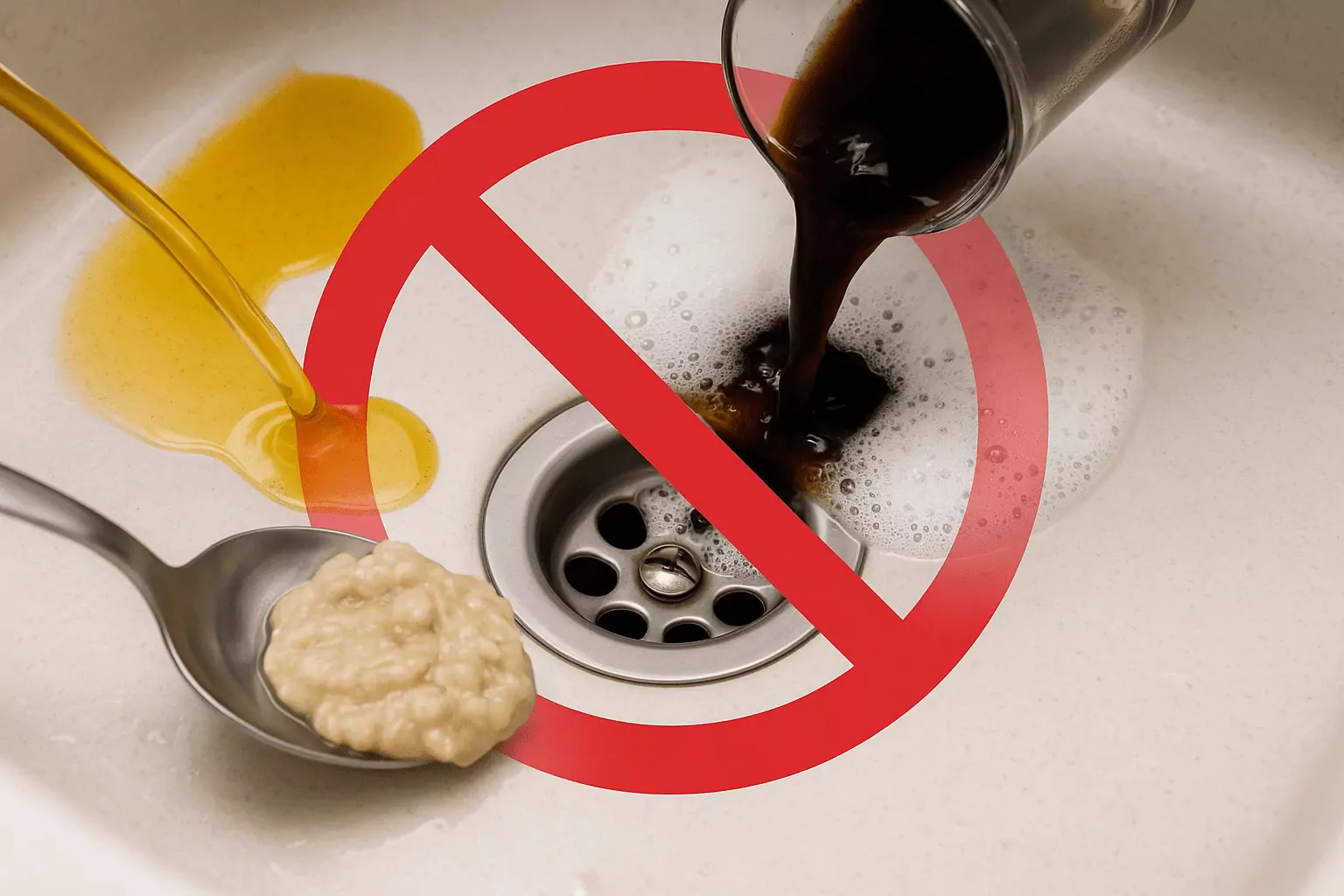
Your drains are not trash cans, and understanding what NOT to pour down drains can save you from costly plumbing headaches. Many homeowners learn this the hard way after grease, wipes, or chemicals create stubborn clogs and sewer backups. To help you avoid those emergencies, this guide explains the science behind blockages and the best disposal methods for everyday household waste. We will walk through real scenarios, prevention tips, and simple habits that keep water flowing and your pipes healthy. For quick reference and more resources, bookmark this guide and share it with family members who may use the sink or toilet.
What NOT to pour down drains: Fats, oils, and grease (FOG) and food scraps
Fats, oils, and grease may be liquid when hot, but they cool into sticky solids that trap other debris in your pipes. Over time, this creates a thick blockage that narrows your drain and can lead to sewer overflows. Municipal systems regularly battle massive grease clogs known as fatbergs, which form when FOG meets wipes and other solids. The Environmental Protection Agency explains how FOG disrupts wastewater systems and increases maintenance costs for communities. Review the EPA's guidance on FOG to understand why it should never enter your drain: EPA on FOG.
A recent homeowner case involved recurring kitchen sink backups caused by bacon grease and creamy sauces rinsed into the drain. The fix required a cable and hydro jetting, plus enzyme treatment, totaling several hundred dollars. Instead of pouring grease down the sink, let it cool, scrape it into a sealed container, and dispose of it in the trash. Wipe oily pans with a paper towel before washing to remove residual fat that could line pipes. If your kitchen sink drains slowly or smells rancid, schedule a professional checkup through our services page to prevent bigger issues.
What NOT to pour down drains: The myth of "flushable" wipes and other solids
Despite marketing claims, most wipes do not break down like toilet paper and can tangle into rope-like masses inside pipes. Paper towels, feminine hygiene products, cotton swabs, dental floss, and kitty litter also swell or snag in bends, creating notorious clogs. Cities across the country issue warnings because these items jam pumps and cause costly backups in homes and neighborhoods. Carolina Water Service's public outreach shows why flushing anything but the 3 Ps (pee, poop, paper) is risky. See a guide on items to keep out of toilets: Do Not Flush.
One condo building faced repeated weekend emergencies due to "flushable" wipes, costing the HOA thousands in after-hours plumbing bills. The solution included resident education, drain camera inspections, and the placement of clear signage near bathrooms. At home, use a small, lidded trash can in bathrooms and educate guests on what belongs in the bin, not the bowl. If wipes are medically necessary, bag them securely and toss them in the trash every time. For persistent toilet clogs, connect with our team via contact to investigate with a non-invasive camera inspection.
What NOT to pour down drains: Hazardous liquids, chemicals, and medications
Paint, paint thinners, solvents, adhesives, pesticides, and automotive fluids are dangerous for pipes and wastewater treatment facilities. These substances can corrode metal pipes, degrade rubber gaskets, and create toxic fumes in confined plumbing spaces. When they enter municipal systems, they jeopardize treatment processes and the environment. The EPA provides clear household hazardous waste guidelines and local drop-off information to help you dispose properly. Learn how to handle these materials responsibly: EPA Household Hazardous Waste.
Medications should not be flushed unless labeling explicitly states they are on the FDA's flush list for immediate risk prevention. Flushing routine meds can introduce active ingredients into waterways and impact aquatic life. Use take-back programs, pharmacy kiosks, or community events to dispose of old prescriptions and over-the-counter drugs safely. When those options are unavailable, follow FDA instructions for mixing with unappealing substances and sealing in a container for the trash. Review safe disposal steps here: FDA Medicine Disposal.
What NOT to pour down drains: Myths, maintenance, and smarter daily habits
One common myth claims hot water and soap will carry grease safely through the line, but FOG re-solidifies downstream and traps debris. Another misconception is that a garbage disposal can handle anything, yet it only chops food into smaller pieces that can still cling to buildup. Chemical drain cleaners may seem convenient, but they can overheat PVC, corrode metal, and risk burns without fixing the root cause. Instead, choose enzyme-based maintenance products and mechanical methods like plunging or snaking for minor clogs. For guidance on preventative care, see our related post: drain maintenance checklist.
Adopt a few simple habits to keep drains clear and septic or sewer systems healthy. Use sink strainers, empty them into the trash daily, and avoid rinsing starches like rice and pasta that expand. Compost appropriate food scraps to reduce what goes into your disposal, and limit grinding to soft leftovers in small batches. Rinse with cold water after using the disposal to keep fats solid and captured by strainers rather than coating pipes. Schedule annual inspections and professional cleaning through our services if you have older plumbing, large trees, or recurring slow drains.
Keeping your plumbing healthy comes down to knowing what NOT to pour down drains and building better habits every day. Avoid FOG, wipes, chemicals, and expanding foods to prevent clogs, odors, and expensive emergencies. Use strainers, compost where possible, and schedule regular inspections for peace of mind and long-term savings. For expert help in Goldsboro or Raleigh, contact Rosewood Plumbing today.
Frequently Asked Questions
Can I pour coffee grounds, pasta, or rice down the sink if I run water?
No, running water does not prevent these items from causing problems in your pipes. Coffee grounds clump and settle, creating a gritty layer that traps grease and soap scum. Pasta and rice absorb water, swell, and become sticky, which makes them adhere to pipe walls and other debris. Over time, this combination narrows the pipe, slows drainage, and can cause odors and backups. Dispose of grounds in the trash or compost and scrape starchy foods into the bin before washing dishes.
Are chemical drain cleaners safe for my pipes and septic system?
Chemical drain cleaners can damage PVC by softening it and corrode metal pipes when heat and reactions intensify. They may clear a small hair clog temporarily but often leave behind residue and do not remove the underlying buildup. In septic systems, harsh chemicals can disrupt the beneficial bacteria needed to break down waste. Frequent use increases the risk of leaks, costly repairs, and environmental harm. Choose mechanical tools, enzyme maintenance products, and professional cleaning for a safer, longer-lasting solution.
What should I do with leftover paint, solvents, or old medications?
Do not pour these materials down sinks or toilets because they are hazardous to plumbing and wastewater treatment. Store them in labeled, sealed containers and check your city's household hazardous waste events or facilities for proper drop-off. Many pharmacies and police stations host medication take-back programs that are free and convenient. If a take-back option is unavailable, follow FDA guidance for safe at-home disposal steps and avoid flushing unless explicitly directed. Confirm local rules and schedules on your municipality's website for compliant disposal.